ChontachakaChontachakaChontachakaChontachakaChontachakaChontachaka

Yaku

Connecting Ecosystems
YakuYaku
ChontachakaChontachakaChontachakaChontachakaChontachakaChontachaka

Yaku

Connecting Ecosystems
YakuYakuYakuYakuYakuYaku
Yaku, Connecting Ecosystems

Yaku, Connecting Ecosystems

Yaku was founded to support projects in Peru—in the Altiplano, in Juliaca, through the Musuquiliaris project led by Jordano Oliva—and in the Peruvian Amazon through the Chontachaka Ecological Reserve.
Yaku receives support from the Mataró City Council for these projects, but we still wanted to complete this work and connect what we do in Peru, as well as to feel a sense of presence here. And that’s how the idea arose to create the edible forest here in the Maresma region of Mataró.


Regenerative Agriculture

Regenerative AgricultureRegenerative Agriculture

Regenerative Agriculture

Regenerative AgricultureRegenerative AgricultureRegenerative AgricultureRegenerative AgricultureRegenerative AgricultureRegenerative Agriculture
Regenerative Agriculture

Regenerative Agriculture

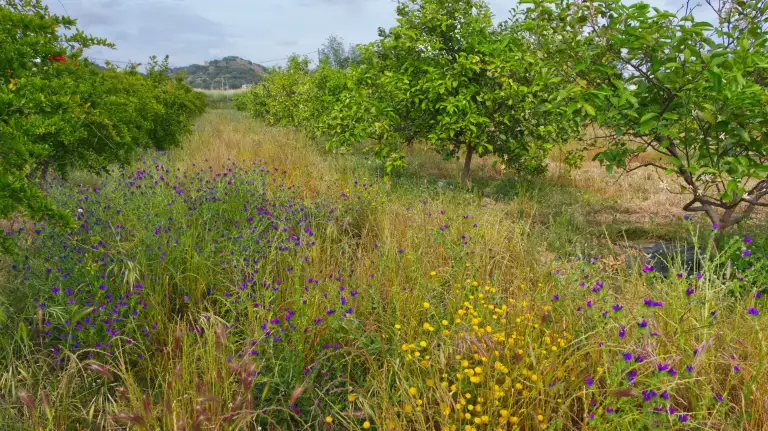
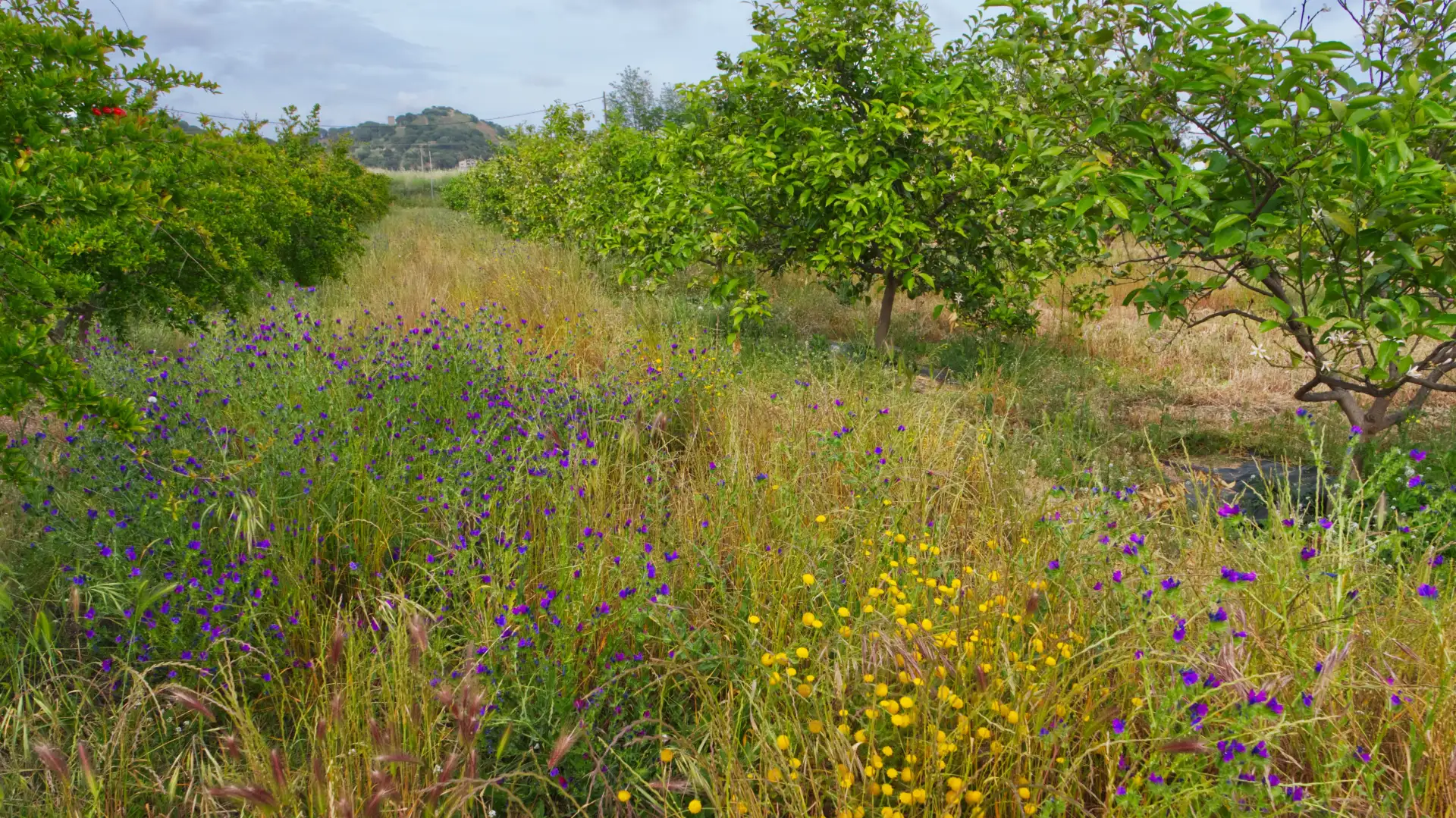
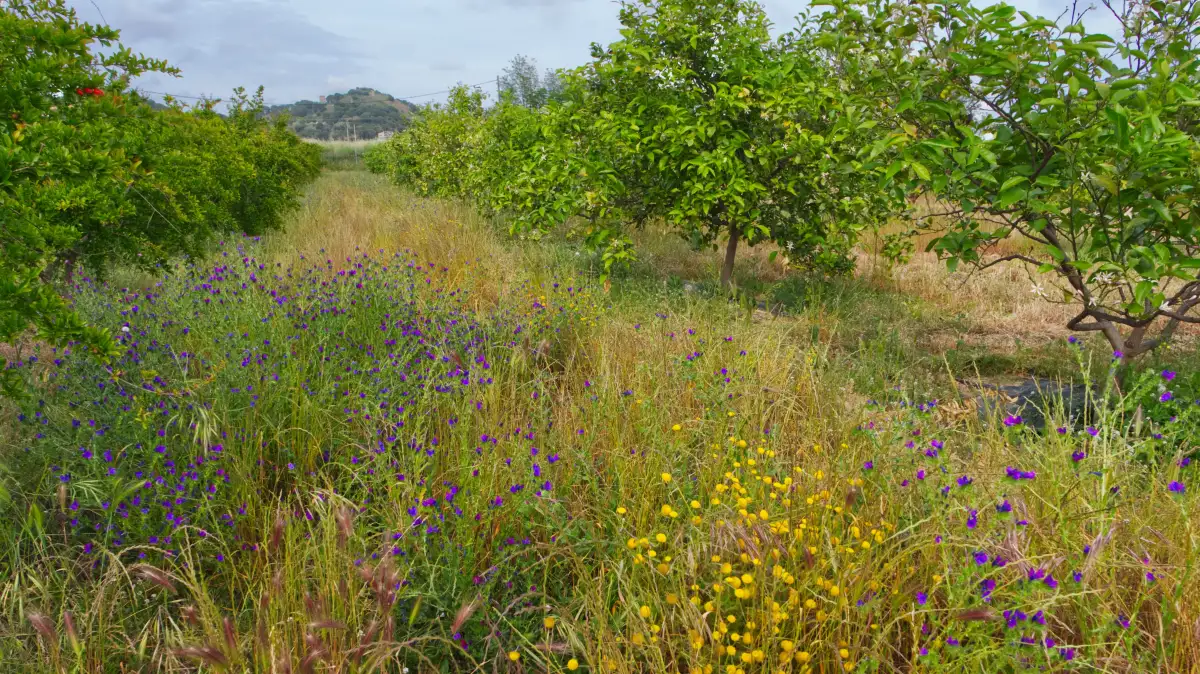
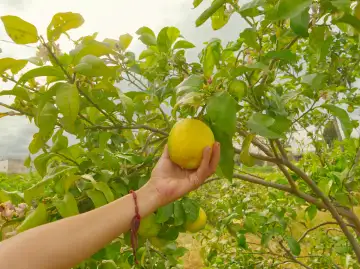
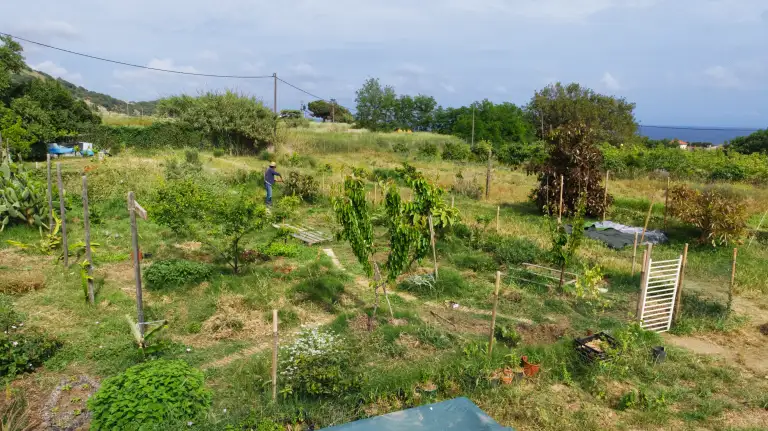
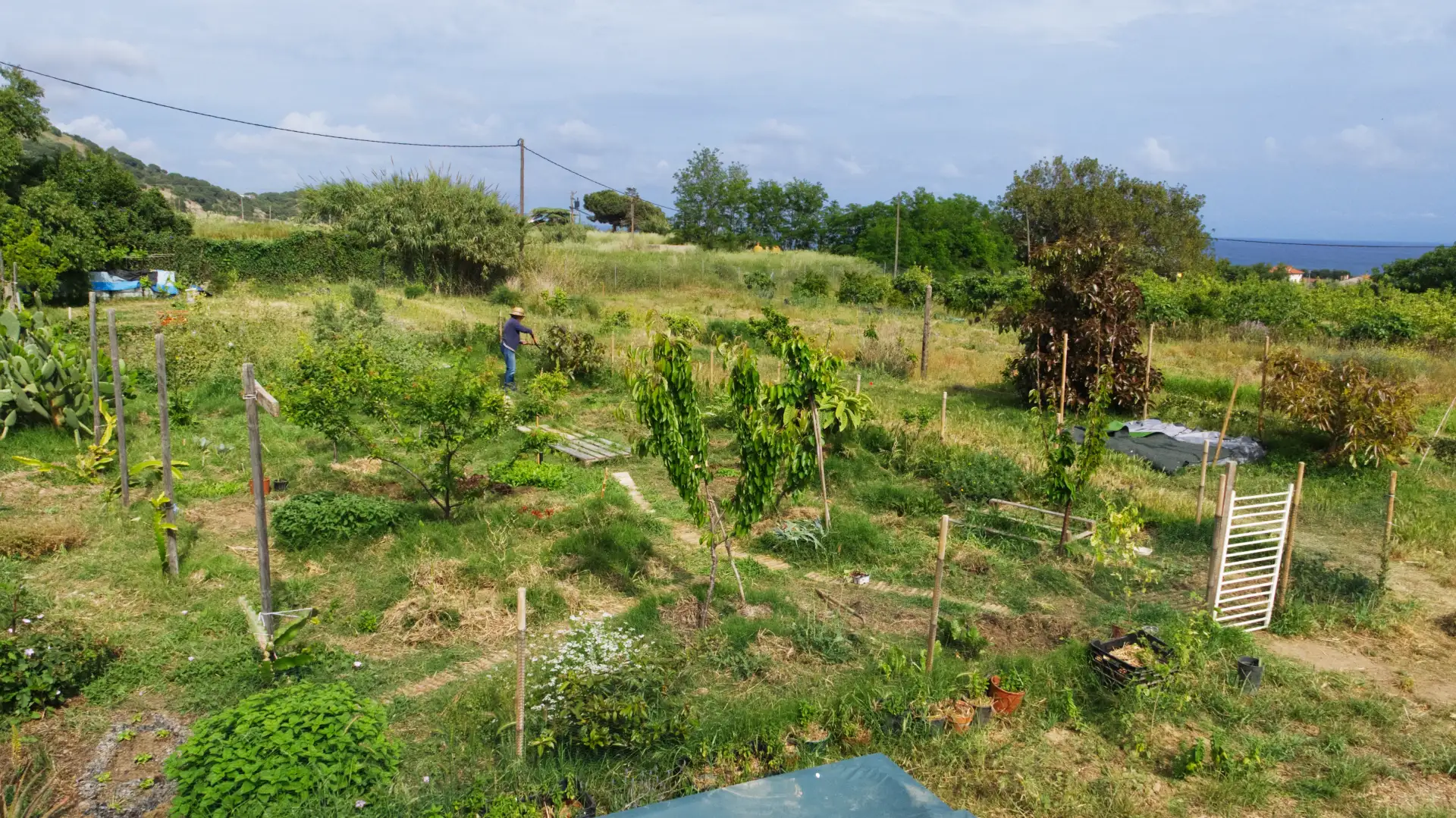
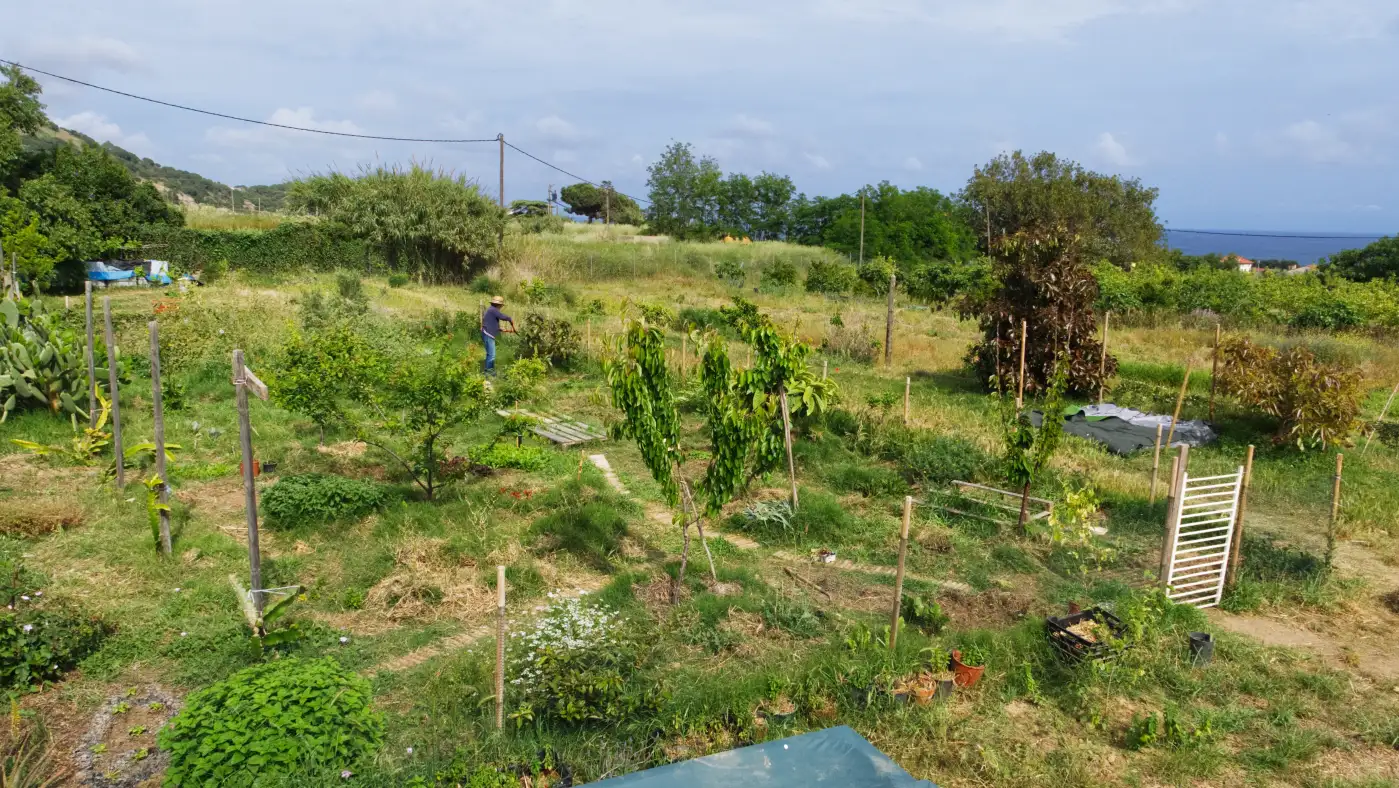
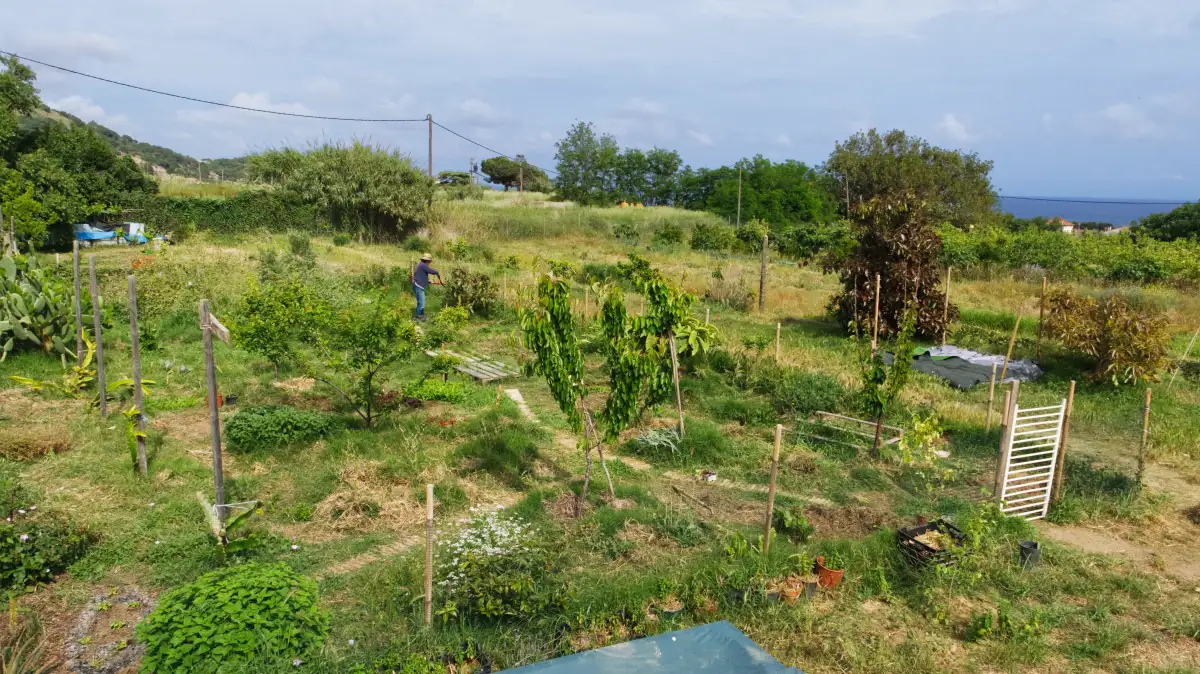
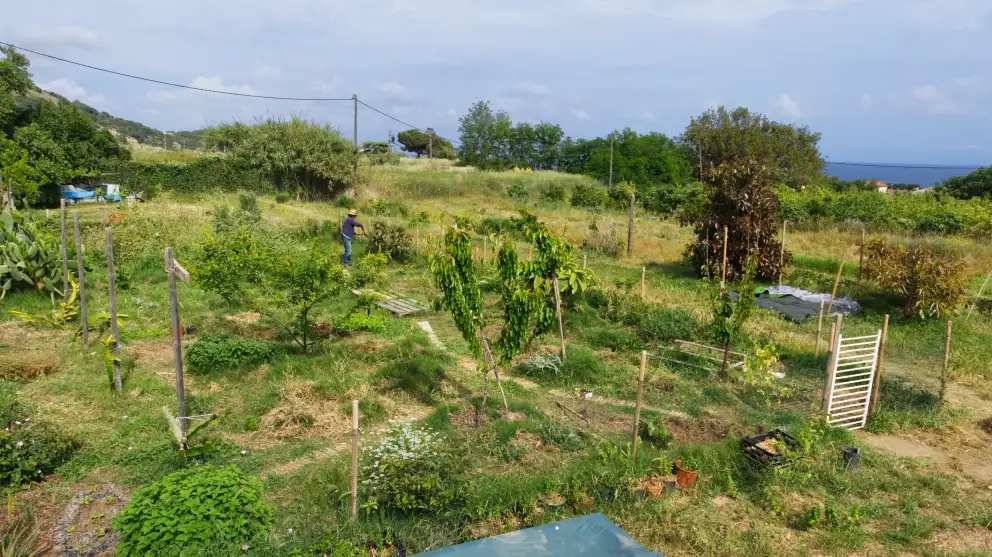
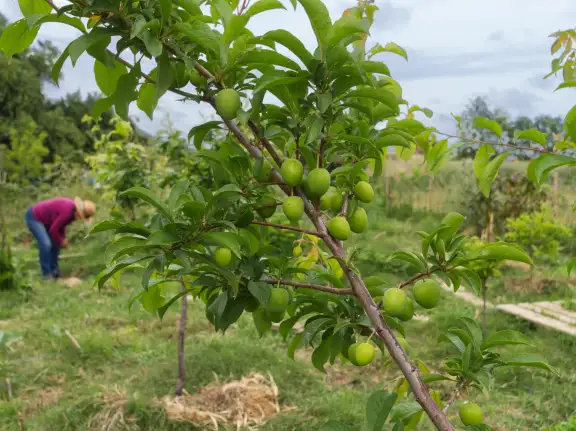
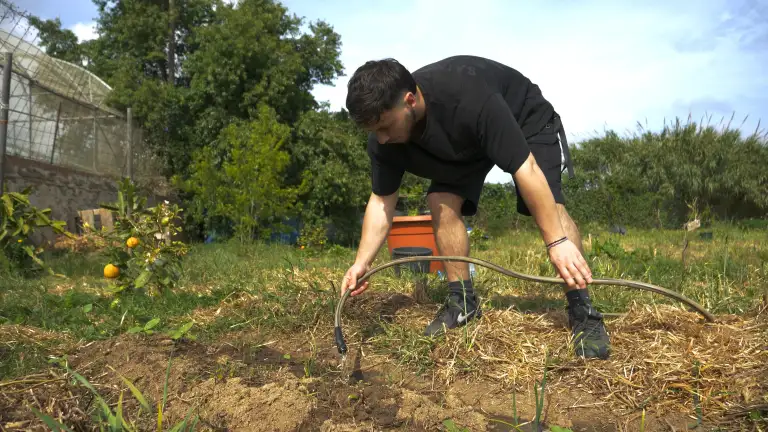
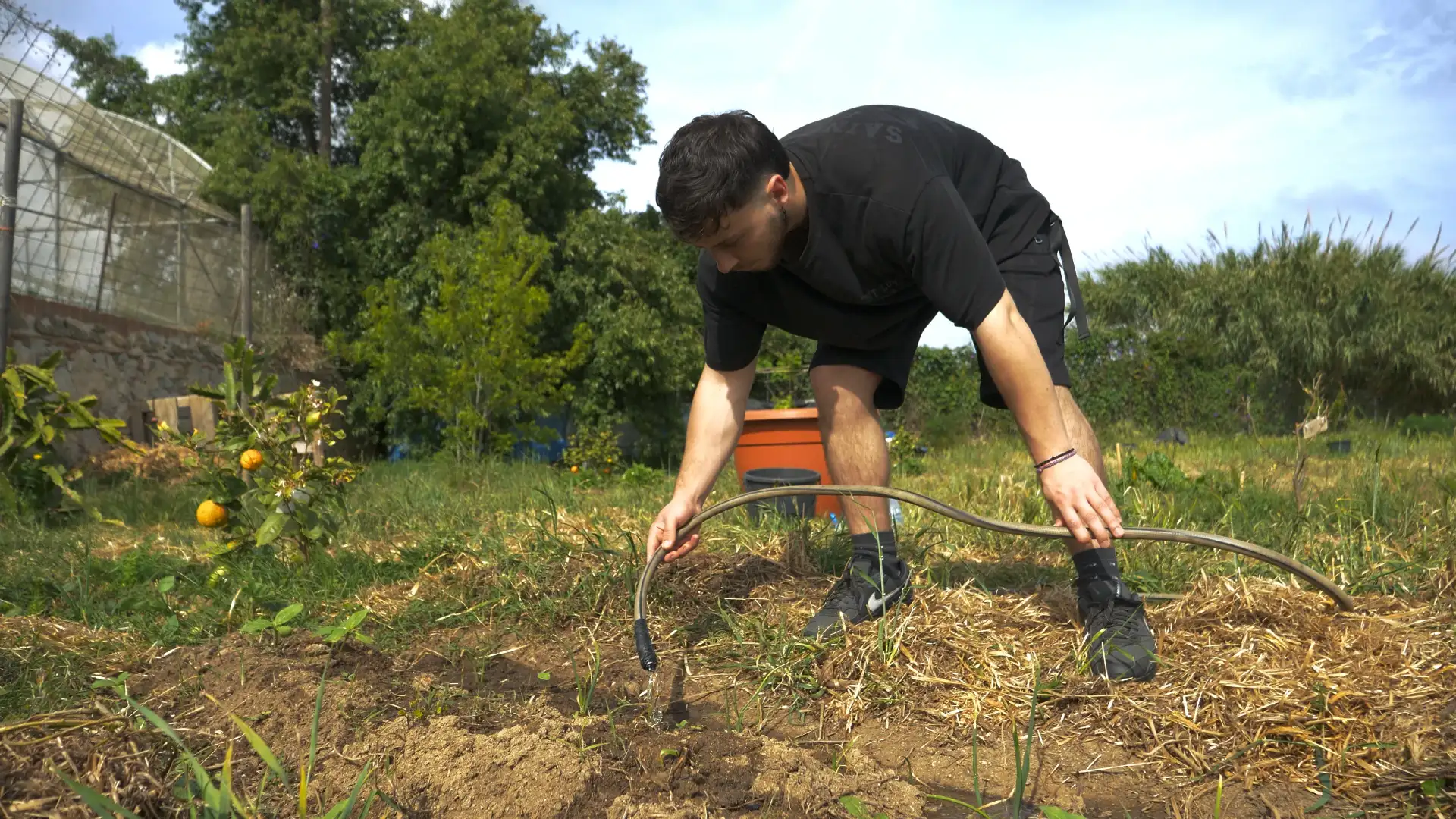
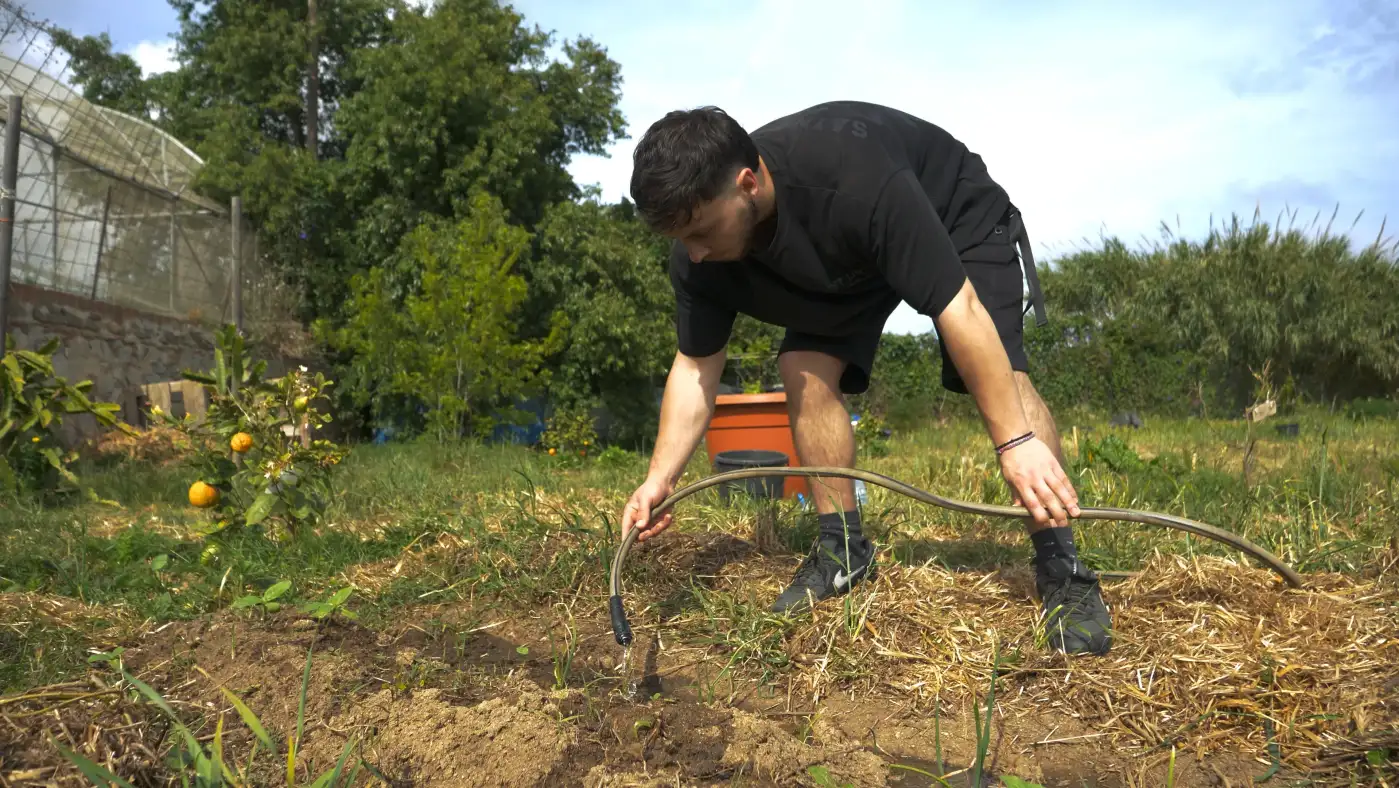
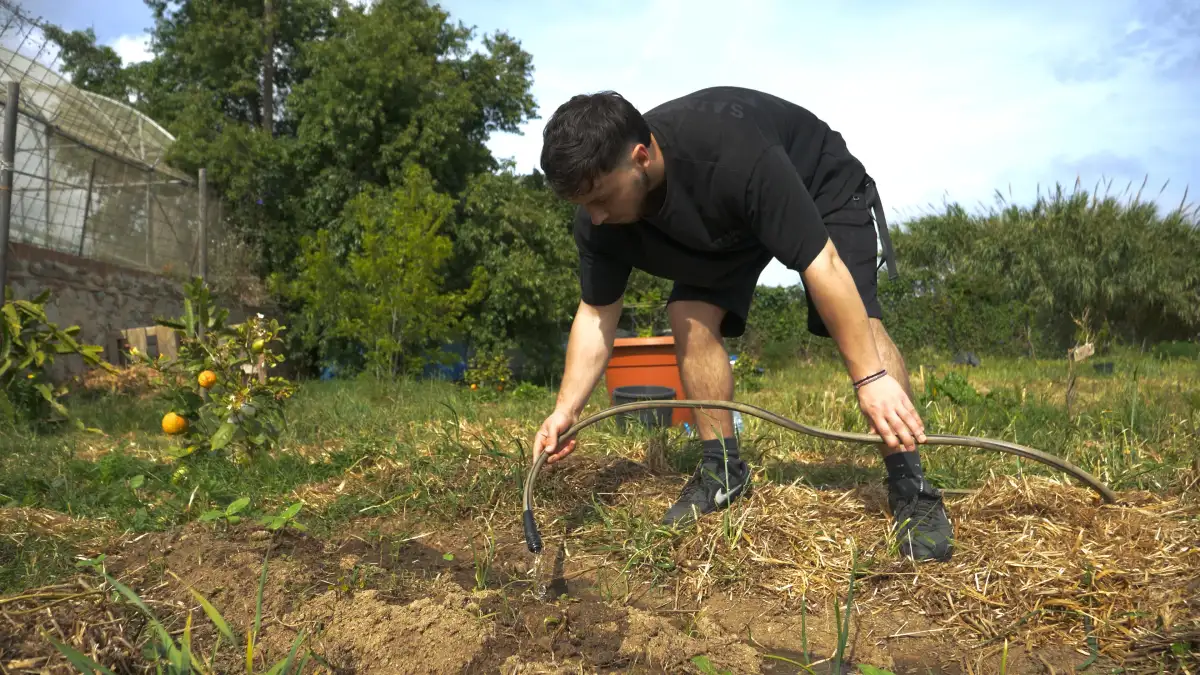
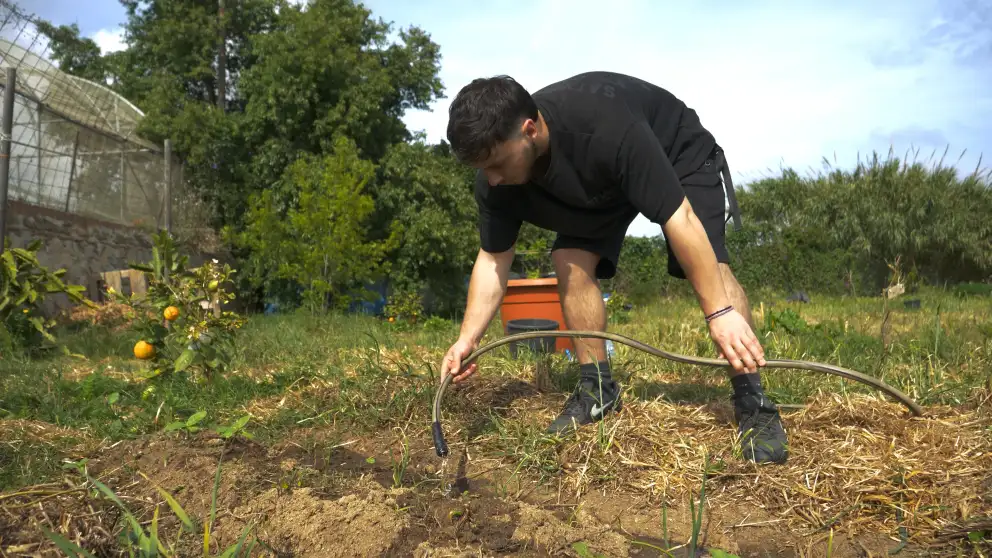
Well, yes, look at the Yaku Association working on this farm, which is about half a hectare in size, where we practice organic farming, but in addition to that, we’ve planted a food forest, or edible forest.
We started a vegetable garden and are trying to practice—or rather, we do practice—regenerative agriculture, which is organic; that is, we don’t use pesticides or any chemicals, but we keep the area as green as possible so the soil doesn’t become compacted and doesn’t turn into desert.


Edible forest

Edible forestEdible forest

Edible forest

Edible forestEdible forestEdible forestEdible forestEdible forestEdible forest
Edible forest
Edible forest
Edible forest
Edible forest

Edible forest

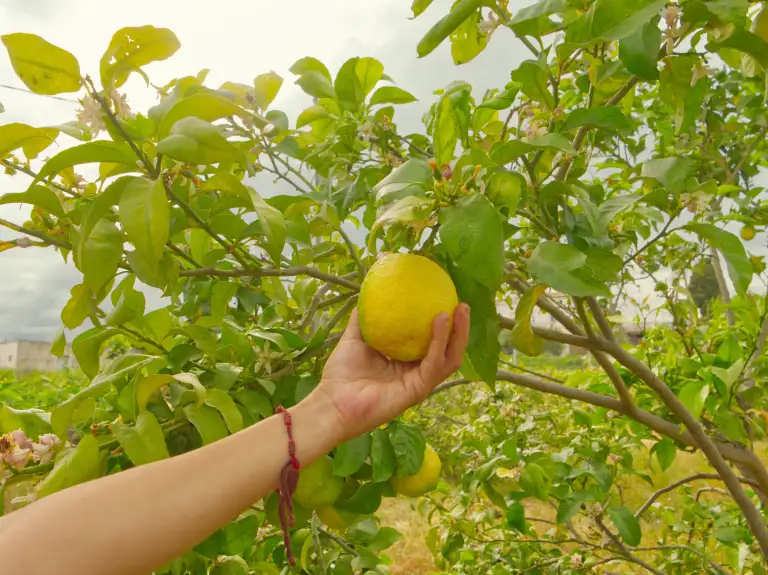
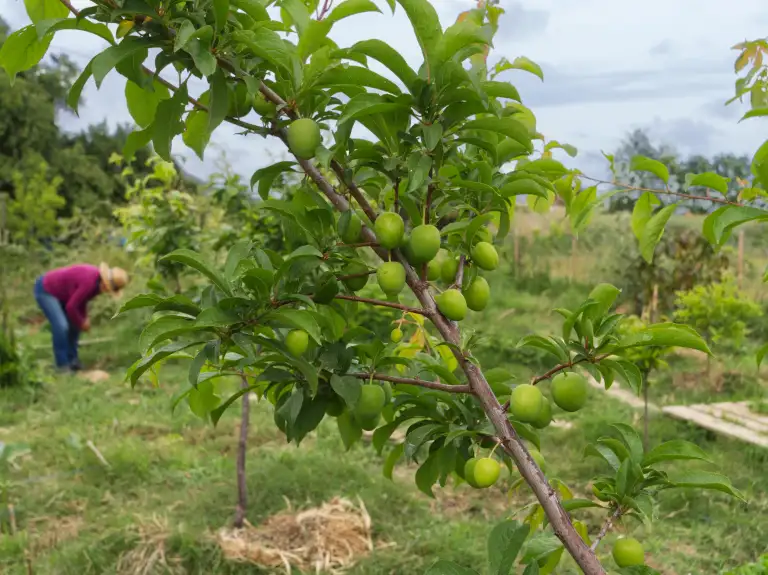
An edible forest replicates a young forest, with seven layers ranging from the tallest trees to the shortest, including shrubs, with the distinctive feature that everything – or almost everything – we plant is edible.
The key to an edible forest is, first and foremost, to create biodiversity in this very area where we are now – an agricultural area in Mataró that is severely degraded, treeless and heavily ploughed. This specific site where the edible forest is located used to be a car park.
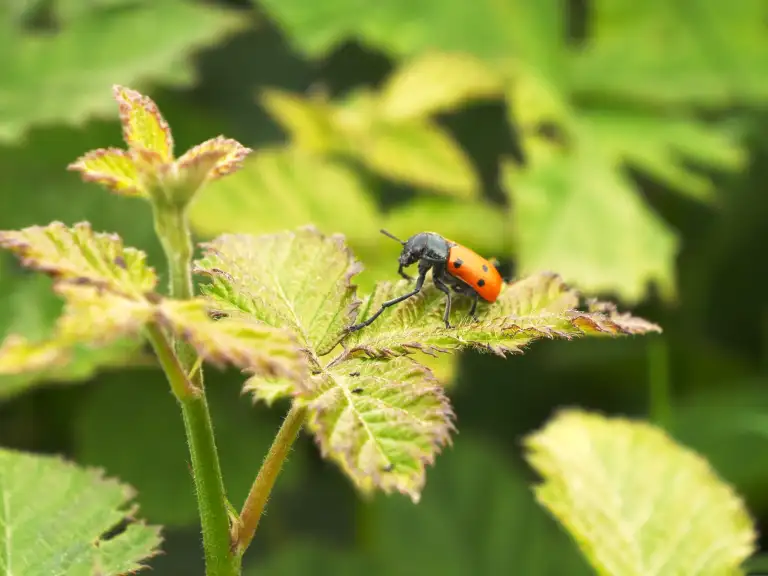
So, well, the key is to plant a great deal of biodiversity, because that way it produces many different types of fruit, and by having biodiversity, we prevent pests.
In the long run, the first two or three years require a lot of work – observing which plants thrive and which don’t. 
But there comes a point when you simply harvest, and the plants interact and function as a self-sustaining ecosystem; we don’t have to plough or tend to it – it’s practically just a matter of harvesting.


Community space

Community spaceCommunity space

Community space

Community spaceCommunity spaceCommunity spaceCommunity spaceCommunity spaceCommunity space
Community space
Community space
Community space
Community space

Community space

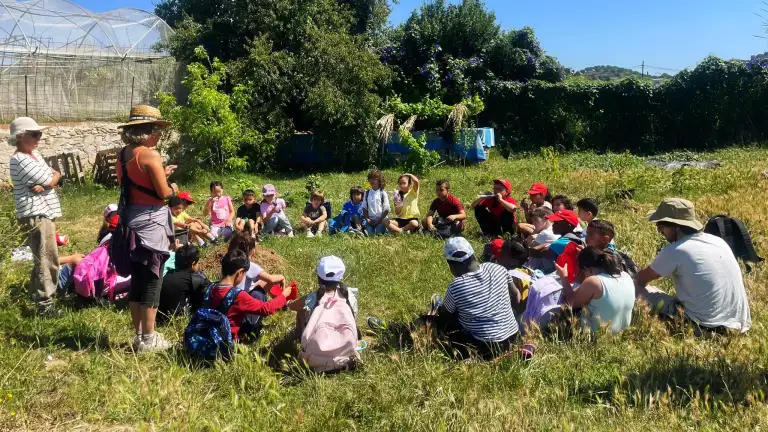
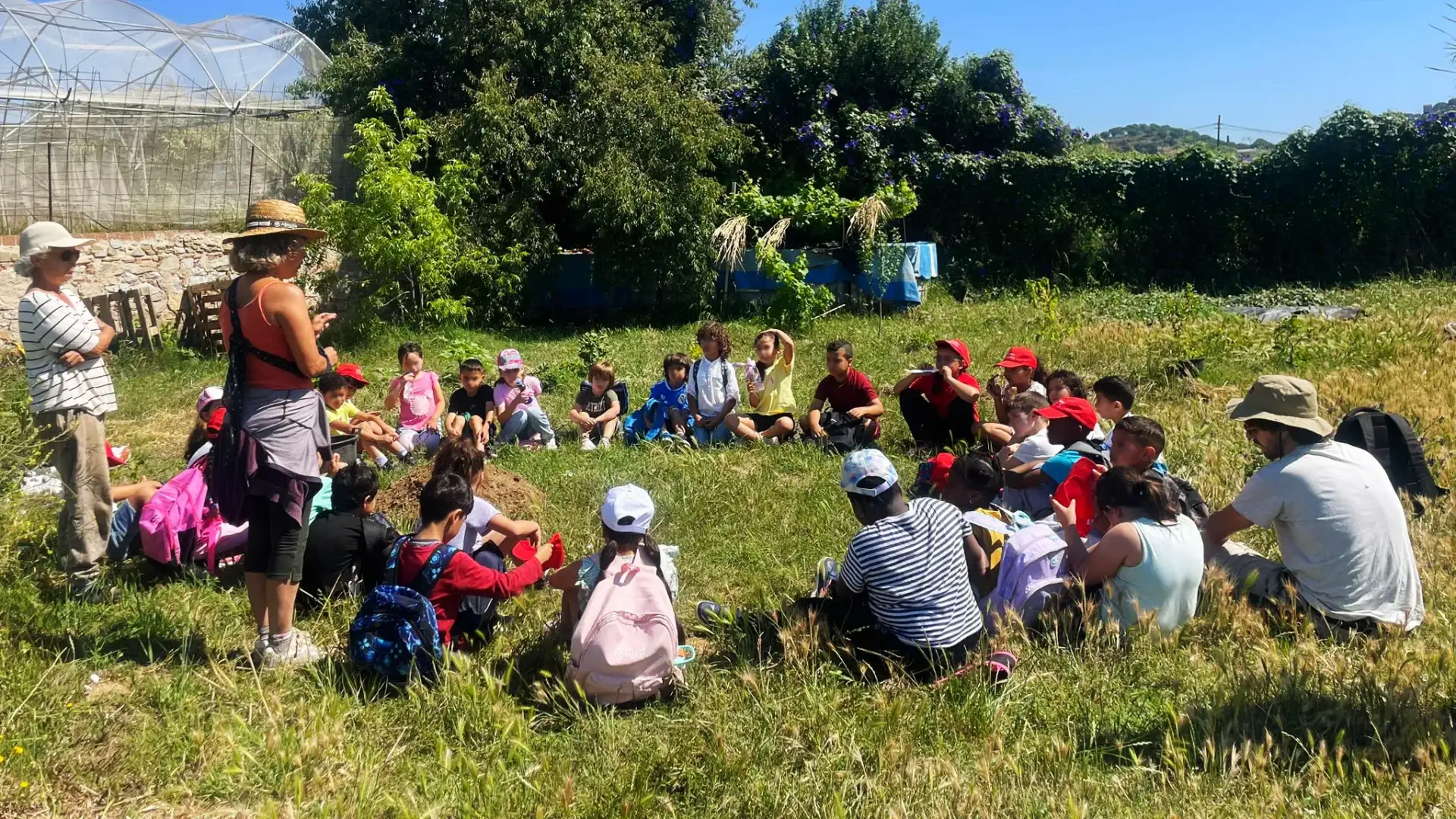
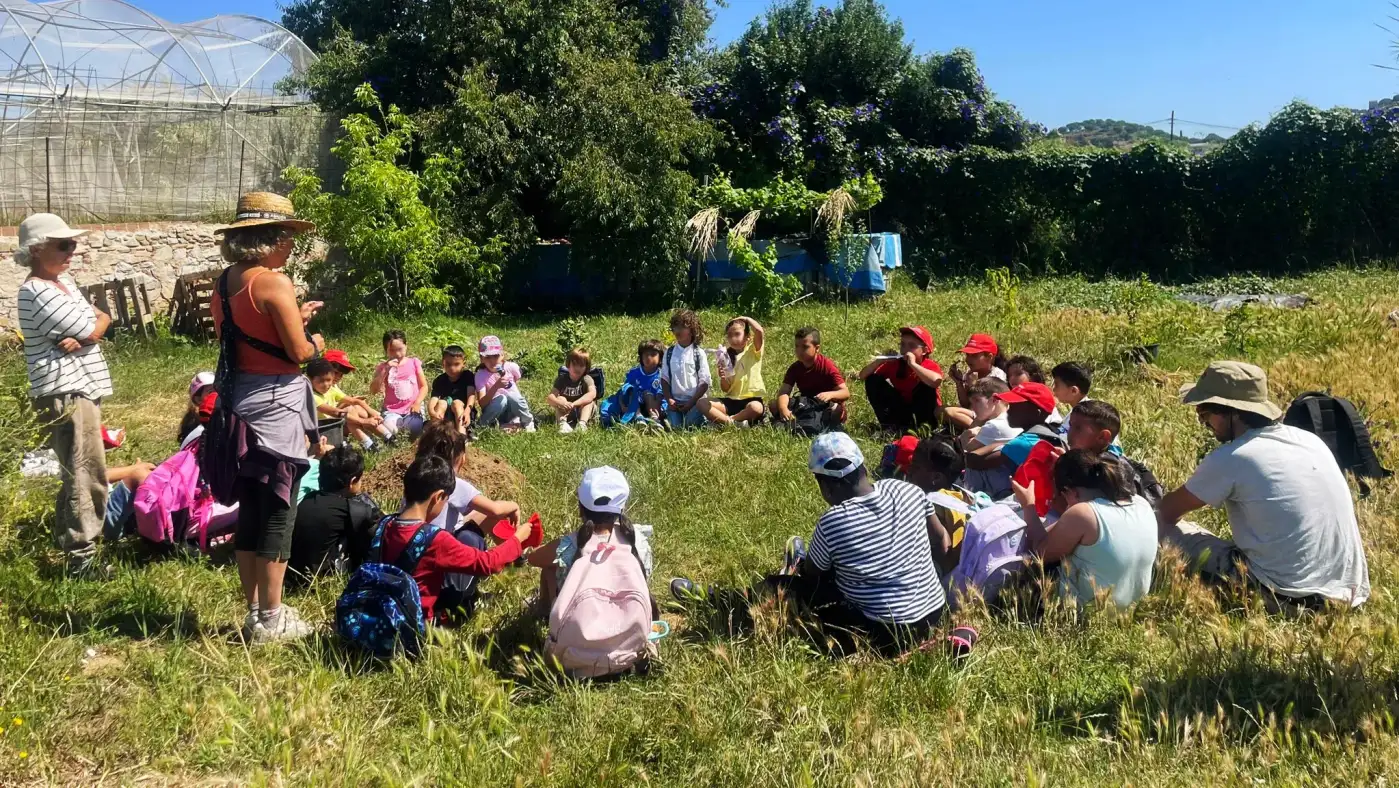
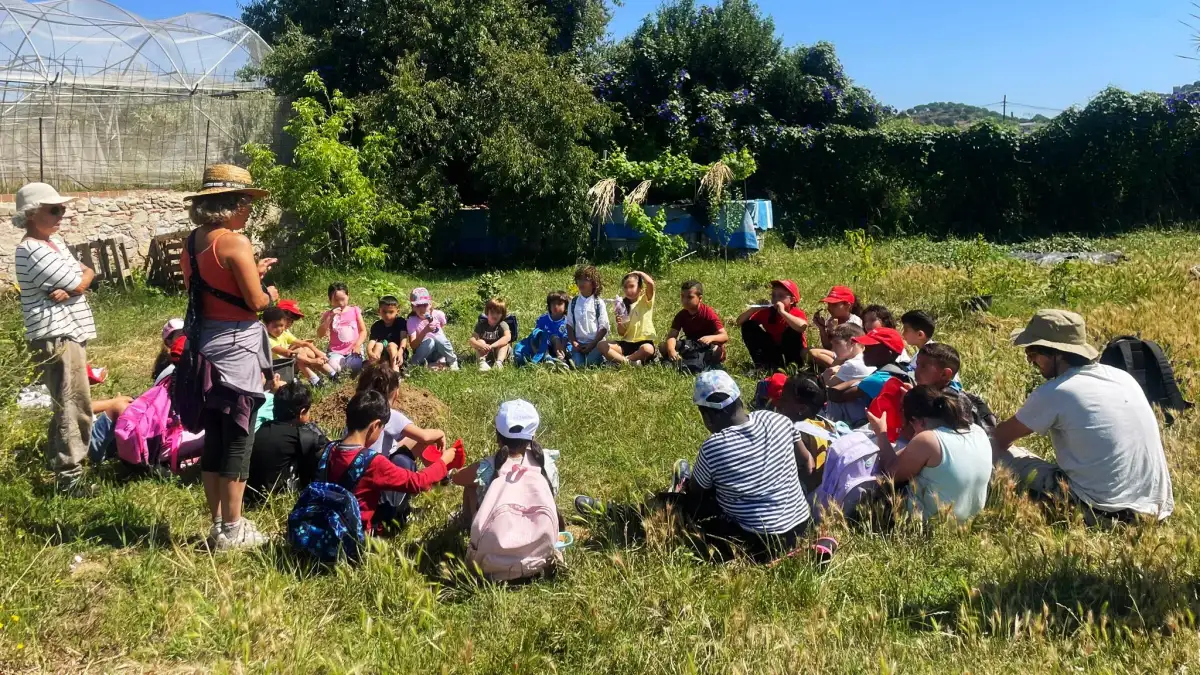
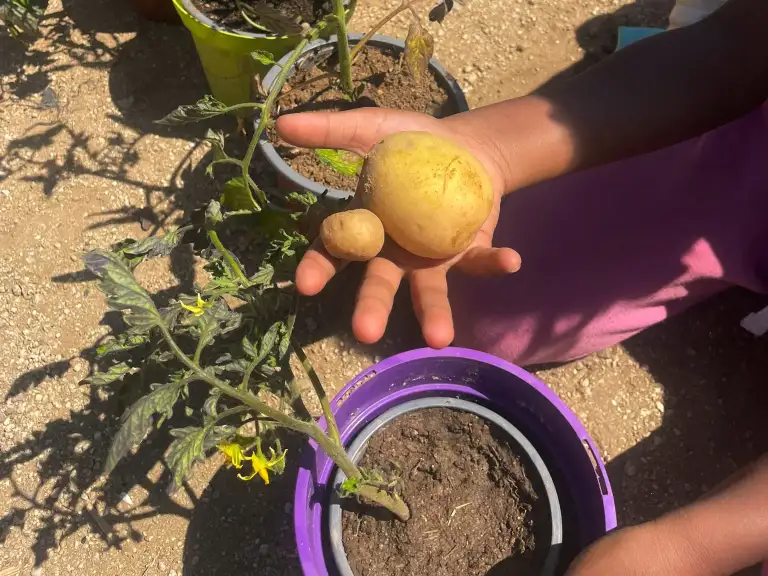
Very close by is the town of Mataró, with a population of around 125,000, and we are particularly close to the Rocafonda neighbourhood, a low-income area where, above all, immigrants have come to live. We welcome school groups and children who come to visit the woodland and the vegetable garden, as well as women’s groups, volunteers and vulnerable communities from Mataró who come here to work with us.

We hope that being here in the forest will help them, help them to grow as people and enjoy a natural environment such as this.


This is our vision for the future: to continue expanding the vegetable garden, to continue expanding the edible forest, and to share it with others.


Associació Yaku
Read more about Yaku
Associació Yaku
Read more about Yaku
Associació Yaku
Read more about Yaku
Associació Yaku
Read more about Yaku